Roots of Chance in Early Dynasties
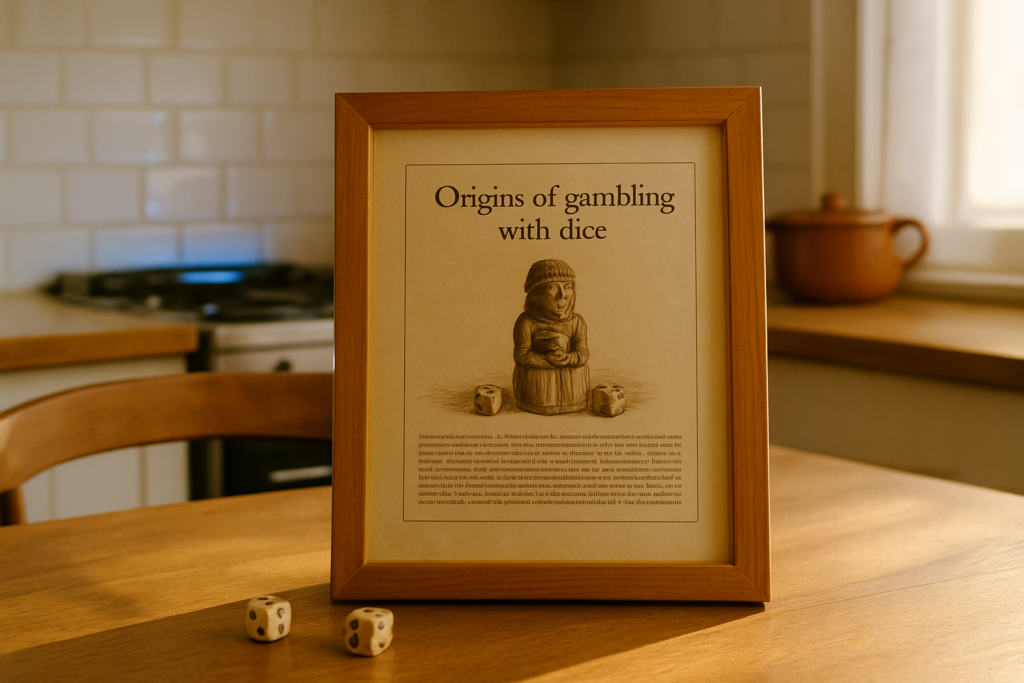
Gambling in China didn’t start in smoky dens or neon lit casinos it goes way back, all the way to the Xia (c. 2070 1600 BCE) and Shang (c. 1600 1046 BCE) periods. Archaeological digs have unearthed carved bone dice and oracle bones etched with questions for the spirit world, hinting at a culture already flirting with chance, outcome, and risk.
During these dynasties, gambling wasn’t just about fun it was layered with ritual and belief. Drawing lots and playing early board games like liubo could serve multiple functions: deciding disputes, guiding actions through divination, or simply passing the time. Often, the lines between destiny and recreation blurred; wins could be seen as signs from ancestors, and losses as warnings.
Wagers back then weren’t cash based. Think possessions, symbolic items, or even labor. Gambling served as a mirror of life unpredictable, cyclical, and often out of one’s hands. People didn’t just take chances for thrill; they tried to read meaning in the chaos.
More on early Chinese gambling
Gambling and Chinese Philosophy
In ancient China, gambling wasn’t just a pastime it rubbed shoulders with philosophy. Thinkers from Confucian, Daoist, and Buddhist schools all had their takes, and they weren’t always aligned. Confucians viewed gambling as a moral hazard. It was considered disruptive to societal order and personal discipline. Wagering on uncertain outcomes clashed with the virtue of self restraint and the Confucian ideal of a stable, harmonious life.
Daoism, on the other hand, had a subtler stance. Life, according to Daoist thought, is governed by change, flow, and the unknown the Dao. From that perspective, chance and risk weren’t necessarily bad. They reflected the unpredictability of the world and the need to adapt. Gambling could be seen as a mirror of nature’s rhythm, though depending too much on it still meant losing alignment with simplicity and harmony.
Buddhism introduced a more internal lens. Attachment to winning, losing, and material stakes nourished illusion and clinging key causes of suffering. So while it didn’t slam the act of gambling outright, the tradition warned against the desires and ego that often come with it. The moral implications revolved less around the game itself and more around intention, karma, and mental discipline.
Overall, these philosophies reveal a tension between control and surrender, caution and chance. Gambling raised real questions then just as it does today about how much of life we steer and how much we simply ride out.
Common Games and Wagers
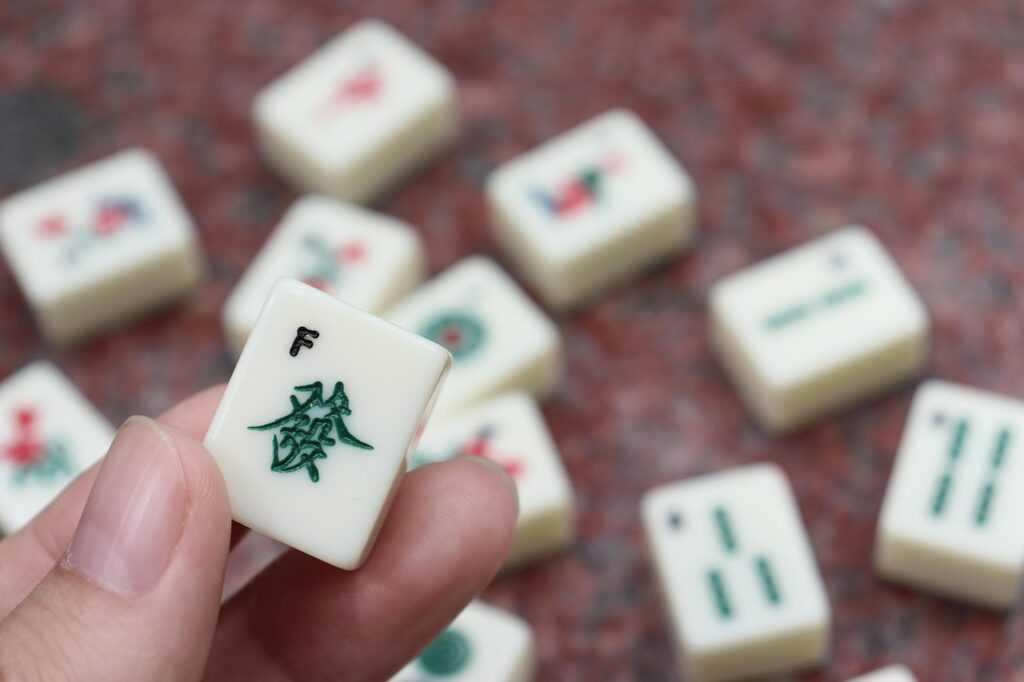
Gambling in ancient China wasn’t just for thrill seekers; it ran across military camps, marketplaces, and imperial courts. One of the best known early strategy games was liubo a complex board game played with dice like sticks, figurines, and markings that’s still not fully understood today. While it served as entertainment, its strategic demands drew comparisons to ritual and training, giving early signs of the calculated risk taking seen in modern gaming culture.
Away from the boards, animal fights crickets, dogs, even birds were common betting grounds. These contests weren’t just random violence; they came with reputations, training, and odds set by seasoned bettors. In urban centers, predictive contests using numerical riddles, fortune casting, or dice like objects became popular, blending gambling with mysticism.
Wagering wasn’t limited to the elite. High stakes challenges lit up imperial banquets, while simple coin tosses or cho han style games echoed in village fields. From eunuchs placing bets behind palace walls to farmers risking barley harvests on dog races, gambling crossed every level of society. What changed was the scale and what was at stake.
The games people played told a deeper story about hierarchy, belief, and what they were willing to risk for a shot at something more.
State Control and Legal Boundaries
For ancient Chinese rulers, gambling was a double edged sword unpredictable like the outcomes themselves. On one hand, it was seen as a destabilizing vice, pulling citizens away from productivity and breeding social disorder. On the other, it presented an opportunity: to control, to profit, and occasionally, to distract.
Successive dynasties, starting as early as the Han, issued waves of prohibitions against gambling some moral in nature, others rooted in maintaining order. But enforcement was inconsistent. Illegal gambling dens thrived even during peak crackdowns, often with a blind eye turned by local officials or with bribes exchanged in silence. Gambling was always too embedded in daily life to vanish entirely.
Still, the state saw the potential in channeling this energy. In periods of war or rebuilding, certain regimes sanctioned or even ran gambling operations to raise funds lotteries being a classic example. In these moments, gambling slipped into the role of informal taxation. It was voluntary, addictive, and profitable.
At times, gambling even fueled rebellion. Underground gambling houses turned into meeting points for dissenters. High stakes wagers helped fund insurgent groups. In a country where open dissent was dangerous, the gambling table became a cover for conspiracy.
The state’s stance was never fixed. Gambling was outlawed, taxed, ignored, or quietly encouraged depending on who was in power, what the treasury looked like, and how restless the population felt. Control was less about stopping gambling, and more about deciding who got to profit from it.
Cultural Legacy
Ancient Practices, Modern Attitudes
The echoes of ancient gambling continue to shape how it is perceived in modern Chinese society. Although many forms of gambling have evolved or been replaced, the underlying cultural narratives rooted in ritual, fate, and risk remain deeply influential.
Gambling in ancient China often blended recreation with spiritual and moral significance
Modern attitudes still reflect historical tension between play and morality
Public opinion often sees gambling as culturally embedded but morally complex
Moral Debates and Enduring Taboos
Throughout Chinese history, gambling has sparked debate over its social value and ethical implications. These discussions persist today, especially with the rise of online gambling and offshore betting platforms.
Confucianism viewed gambling as a distraction from duty and virtue
Daoist ideas sometimes framed games of chance as expressions of natural flow and spontaneity
Buddhist teachings warned against the attachment and harm gambling could bring to oneself and others
Modern society continues to wrestle with those same concerns, particularly around addiction, poverty, and family disruption. Despite legal restrictions, underground gambling remains widespread, reflecting the enduring nature of the taboo.
Reflections in Arts and Culture
Gambling has long served as a rich subject in Chinese storytelling. From classical operas to contemporary novels and cinema, its presence is both metaphorical and literal a tool to navigate fate, character, and consequence.
Traditional theatre often portrayed gamblers as cautionary figures or tragic heroes
Folktales and oral traditions highlight luck, deceit, and karmic balance
Modern film and literature continue to explore gambling as a symbol of human risk taking and moral ambiguity
Gambling persists as both fascination and warning a cultural mirror reflecting China’s long standing relationship with games of chance.
Explore more on early Chinese gambling here
 Bertha Richardonner is the dedicated author of Gamble Wise Roots, where she provides readers with in-depth insights into the gambling world. Her platform offers essential news and updates, simplifies casino basics, and breaks down the intricacies of odds.
Bertha’s passion for uncovering the history and evolution of casino games, along with her exploration of betting origins, empowers enthusiasts to approach gaming with greater knowledge and understanding.
Bertha Richardonner is the dedicated author of Gamble Wise Roots, where she provides readers with in-depth insights into the gambling world. Her platform offers essential news and updates, simplifies casino basics, and breaks down the intricacies of odds.
Bertha’s passion for uncovering the history and evolution of casino games, along with her exploration of betting origins, empowers enthusiasts to approach gaming with greater knowledge and understanding.