Everyday Romans and the Betting Culture
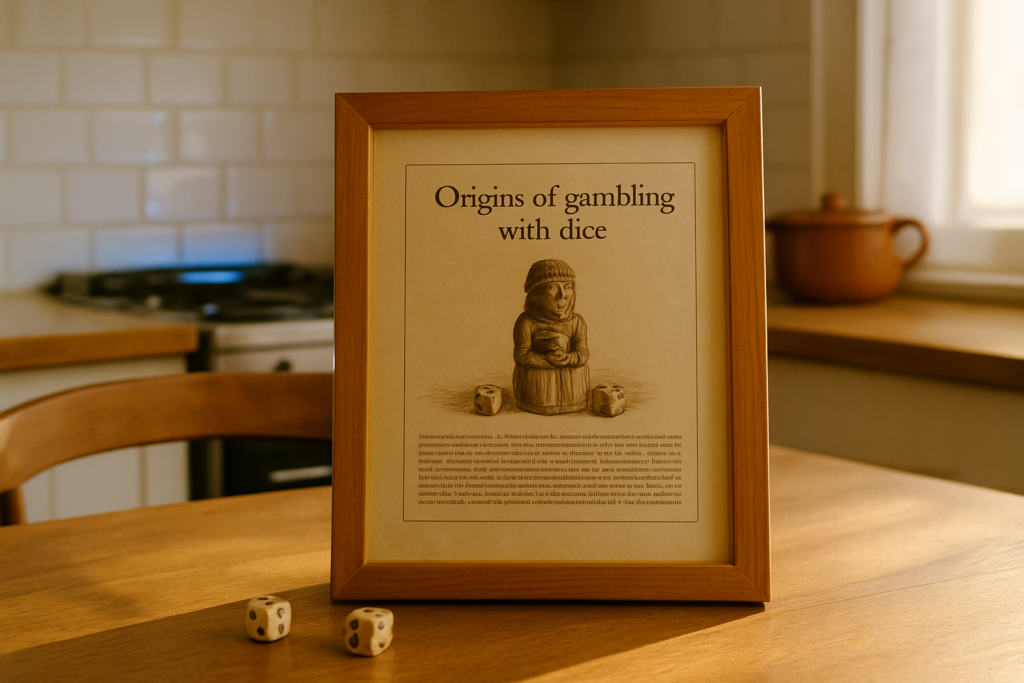
In ancient Rome, gambling wasn’t tucked away behind palace doors it was everywhere. You didn’t need to be wealthy or powerful to place a bet. Soldiers, bakers, slaves, senators they all threw down coins on dice games in the streets, animal matches in alley pits, or the outcome of the next arena brawl. It was less about making a fortune, more about living on the edge of luck.
Popular games included tabula and tali (think early board games and dice), but Romans found a way to bet on just about anything. Animal fights and impromptu contests in back courtyards made for high energy, low stakes action. Meanwhile, large scale sporting events like gladiator matches and chariot races gave people something bigger to rally behind and wager on.
Were there rules? Technically, yes. The law frowned on gambling, especially for money, except during festivals like Saturnalia. But enforcement was sporadic, and few took it seriously. Roman authorities often turned a blind eye unless things got out of hand.
At its core, betting fit snugly into Roman ideals. Risk was admired, fate was feared, and spectacle was everything. Wagering turned daily life into a sort of mini Colosseum, where danger, drama, and fortune intertwined just how the Romans liked it.
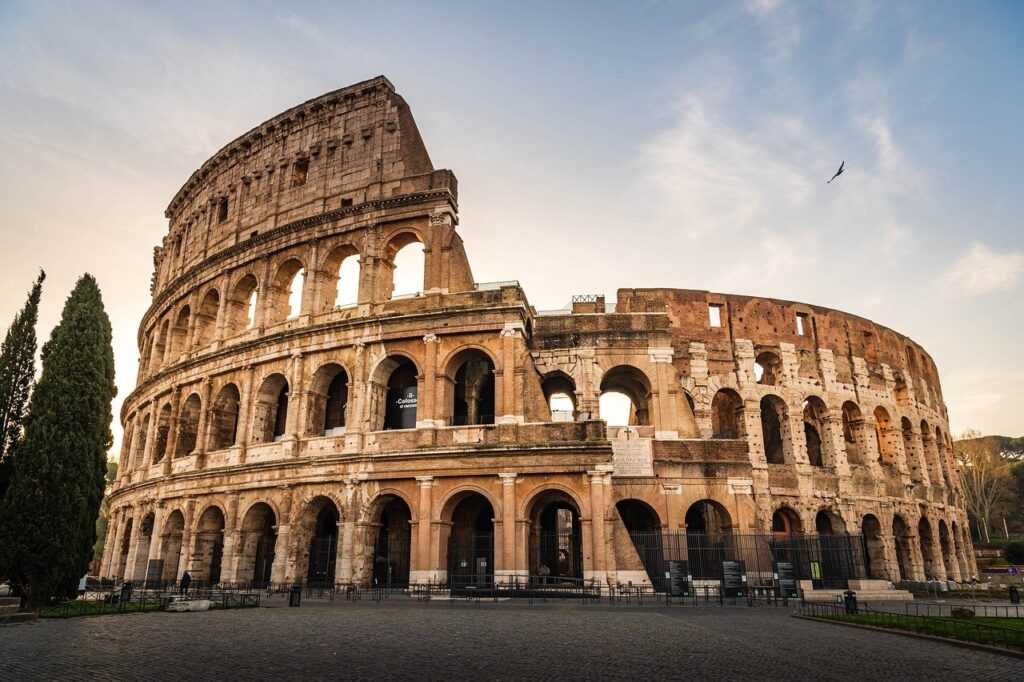
Gladiator Fights: Bloodsport for Profit
In the Roman arena, spectators didn’t just come for the gore they came to gamble. Bets flew around before the first sword was drawn, with fans staking their coin on favorite fighters and predicted outcomes. Some wagered on who would walk out alive. Others, on how long a bout would last. It wasn’t just simple guessing either; many knew the fighters’ backgrounds, training schools, prior wins, and even temperament. All of it shaped the odds.
But it wasn’t always clean. Trainers and promoters often worked directly with gamblers, feeding tips and quietly stacking matches. A fighter getting a sudden injury before a big fight? Might not be coincidence. Early forms of fight fixing weren’t rare, especially when high stake patrons got involved. In a city where reputation meant everything, a big win on the sands or on a bet was social currency. Nobles placed wagers not just to profit but to flex, using their ‘insider picks’ as status symbols.
Gladiator betting wasn’t just about winning money. It was about knowing the game, being connected, and making sure others knew it. In Rome, some fought for glory others bet on who’d keep theirs.
Chariot Races: Fast, Deadly, and Wildly Popular
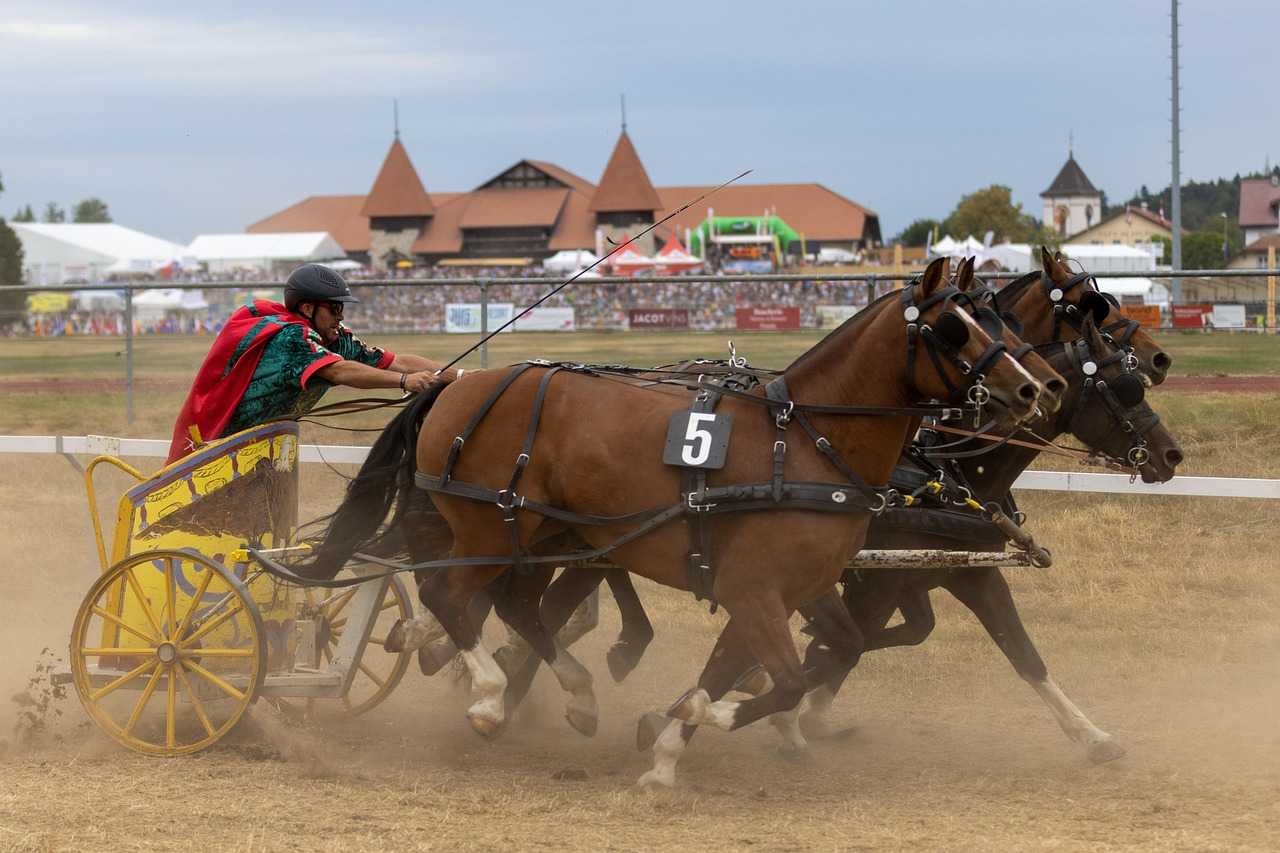
The thundering chaos of chariot races was one of Ancient Rome’s most exhilarating and dangerous spectacles. Held in the massive Circus Maximus, these races attracted tens of thousands of spectators who came not only to cheer but to bet.
The Grand Arena
The Circus Maximus was the heart of Roman chariot racing, capable of seating up to 150,000 spectators.
Events were frequent and grand, with state sponsorship and elaborate ceremonies.
The Factions: More Than Just Teams
Roman chariot racing revolved around four main factions:
Reds
Whites
Blues
Greens
These weren’t just team colors they were lifelong allegiances. Fans formed intense loyalties, often clashing violently with rival supporters.
Betting Fueled the Frenzy
Spectators placed wagers on everything from winning times to lead changes.
Faction loyalty often dictated betting behavior, regardless of actual odds.
Disputes over bets and race results sometimes spilled into riots.
Charioteers: The Superstars of the Track
Successful drivers gained celebrity status and immense wealth.
Top charioteers could earn more than Roman senators.
Some became household names, celebrated in graffiti, mosaics, and public art.
A Culture of Risk and Reward
For Romans, these races weren’t just entertainment they were a thrilling blend of spectacle, tribal identity, and economic opportunity. Betting elevated the stakes, turning a public sport into personal drama for every spectator.
Shadow Markets and Underground Wagers
While the Circus Maximus thundered with official bets, another layer of gambling unfolded in the streets. Taverns, alleyways, and open air markets became hubs for informal betting rings. Here, everyday Romans laid down coin on everything from the day’s races to which gladiator might live to see another match.
There was no central bookkeeper. Odds were shaped on the fly based on rumor, past performance, and a lot of gut instinct. Runner networks popped up naturally, with go betweens carrying bets between parties and whispering the latest odds. They blurred the line between bookmaker and busybody, feeding a fast moving network of bets that thrived off human chatter.
Of course, where there’s money and chaos, influence creeps in. Wealthier patrons senators, landowners, and merchant elites quietly manipulated results. Some had access to information behind the scenes: a charioteer’s injury, a gladiator’s fatigue, a stable’s sabotage. Others didn’t just observe they paid, threatened, and plotted to tilt the odds in their favor. In the underground scene, influence was as valuable as coin.
Roman Laws and Loopholes
While betting was deeply ingrained in Roman culture, the legal system painted a very different picture on parchment, at least, most gambling was strictly prohibited.
Gambling Restrictions
Gambling with real money was technically illegal under Roman law
Legal exceptions were rare, most notably during Saturnalia, a festival of misrule and social inversion
Even during Saturnalia, the line between regulated fun and rule breaking was often blurred
Punishments on the Books
Violators faced fines or forfeiture of winnings though enforcement was inconsistent
The upper class often dodged consequences with influence or well placed bribes
Lawmakers themselves were sometimes complicit, or even participants
Betting Underground: The Art of Disguise
Clever Romans found countless ways to get around the laws without drawing too much attention.
Betting squares public chalkboards in markets or taverns were used to post wagers covertly
Coded language helped disguise wagers as casual conversation or business deals
Gambling paraphernalia was sometimes disguised as religious or theatrical tools to avoid suspicion
Despite the penalties, gambling remained a popular fixture of Roman life less a hidden vice than a poorly kept secret.
The Legacy Lives On
The blueprint for modern sports betting wasn’t drawn in Las Vegas it was chiseled in stone and shouted in Roman arenas. Ancient Rome laid down the structure: odds, wagers, fan loyalty, celebrity athletes, and even insider manipulation. Today’s stadiums, apps, and sportsbooks just upgraded the tools.
What’s striking is how deeply intertwined betting was with Roman society. It wasn’t just entertainment. Betting influenced politics, reinforced class dynamics, and gave the average Roman skin in the game literally. Senators gambled for status, merchants for opportunity, and commoners for pride. The addictive mix of strategy, luck, and spectacle hasn’t gone away. If anything, it’s only scaled.
So when you scroll your odds app or debate a parlay with friends, you’re echoing something ancient. Rome’s habits didn’t vanish; they evolved. For more on how those roots still shape our wagers today, check out our deep dive into ancient betting traditions.
 Bertha Richardonner is the visionary founder of Gamble Wise Roots, a comprehensive platform dedicated to providing news and updates on the gambling industry. With a passion for demystifying the world of casinos, Bertha's expertise shines in simplifying casino basics, offering insights on understanding odds, and exploring the evolution of casino games.
Her deep dive into the origins of betting uncovers the cultural and historical roots of gambling, helping players make more informed decisions. Through Gamble Wise Roots, Bertha empowers enthusiasts with knowledge and a thoughtful approach to gaming.
Bertha Richardonner is the visionary founder of Gamble Wise Roots, a comprehensive platform dedicated to providing news and updates on the gambling industry. With a passion for demystifying the world of casinos, Bertha's expertise shines in simplifying casino basics, offering insights on understanding odds, and exploring the evolution of casino games.
Her deep dive into the origins of betting uncovers the cultural and historical roots of gambling, helping players make more informed decisions. Through Gamble Wise Roots, Bertha empowers enthusiasts with knowledge and a thoughtful approach to gaming.