

Back When It Was All Gears and Levers
Before the screens lit up and RNGs took over, slot machines were built on springs, gears, and a whole lot of timing. These were the one armed bandits mechanical devices with a lever on the side, spinning reels inside, and no digital readouts in sight. Everything ran on physics and finely tuned clockwork.
Randomness, in those early days, wasn’t simulated. It was achieved through clever engineering. Reels were mounted on shafts with notches, stops, and intricate braking systems. Pulling the lever set off a sequence of mechanical delays and unpredictable reel halts. It wasn’t perfect randomness, but it was close enough to feel real and that’s what mattered.
What made these machines sticky, even back then, was the illusion of control. Players physically pulled the lever. They watched the reels spin in real time. The suspense wasn’t programmed it was mechanical. Add in flashy symbols, distinctive sounds, and near miss designs, and you had a formula that tapped deep into human anticipation. It wasn’t high tech, but it worked. And it worked well enough to build an industry that would later go digital, then global.
Software Revolution: Casino Tech Enters the Chat
By the 1980s, something major happened in the casino world: microchips showed up. These weren’t just upgrades they were a total rewrite. Out went gears, levers, and basic wiring. In came software and RNGs (random number generators), making every spin a function of code instead of cogs. It was the moment slot machines shifted from physical to digital and the industry would never look back.
Randomness used to be mechanical. Springs, drums, and gears estimated probability in clunky, analog ways. With software driven RNGs, randomness became real time, precise, and impossible to rig. It also allowed for more complex odds, bonus rounds, and game themes. No more being limited to the math of physical wheels.
This shift unlocked serious scalability. Digital slot machines were cheaper to build, easier to customize, and endlessly reprogrammable. One cabinet could host dozens of games, from classic fruit spinners to themed video slots with cutscenes and soundtracks.
Casinos loved them because these machines kept people playing longer. Players loved them because it felt more immersive. And developers? They saw a world of design possibilities unfold overnight.
For more on the tech behind the transformation, check out Technology in Casino Games.
Online Gambling Changed the Playing Field
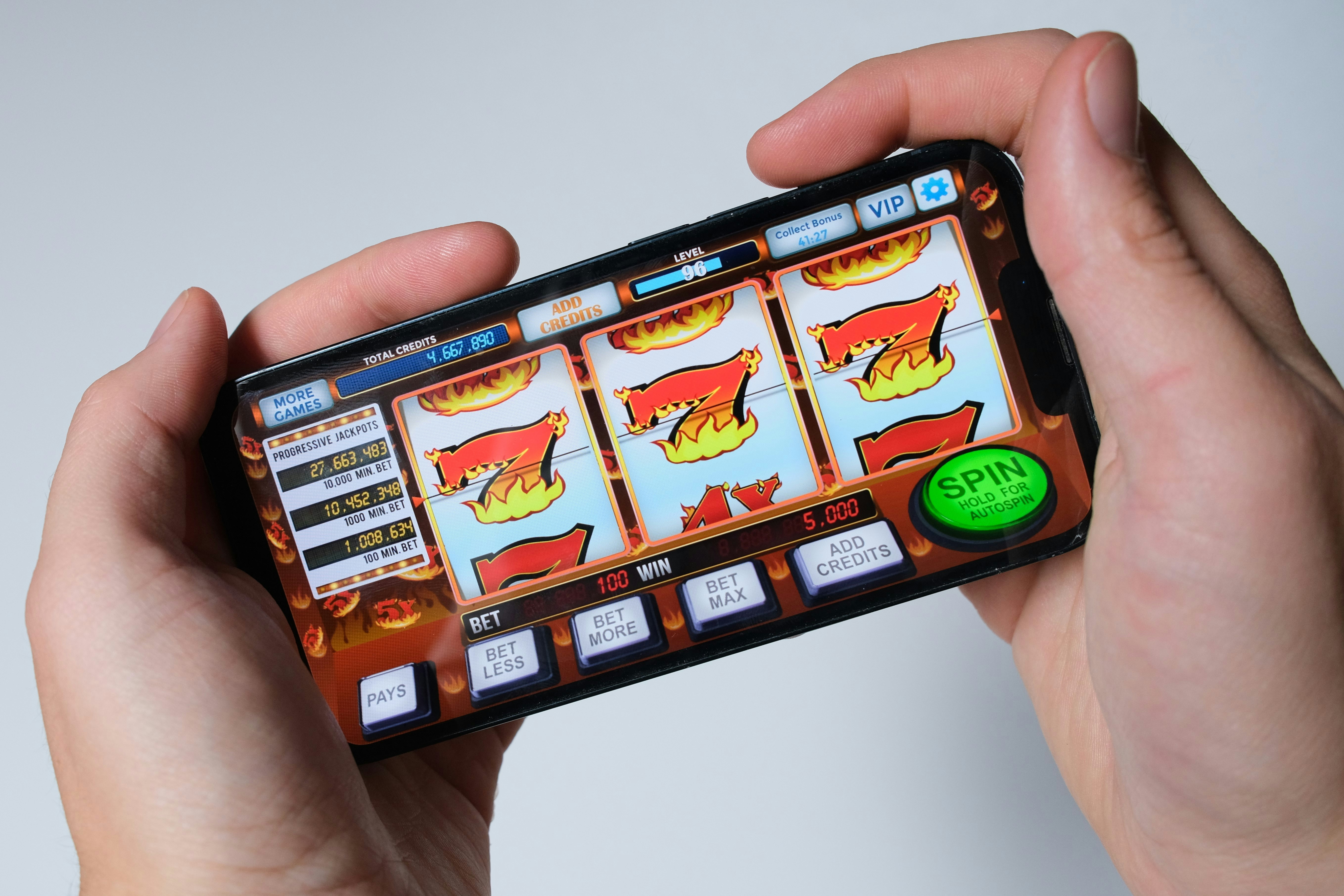
Accessibility Unleashed: Play Anytime, Anywhere
The rise of internet casinos shattered traditional barriers. No longer restricted to in person visits, players could now enjoy their favorite games from the comfort of their homes or anywhere with an internet connection. This 24/7 availability redefined the casino experience entirely.
Traditional casino hours became obsolete
Global audiences gained instant access to diverse game libraries
Convenience took precedence over atmosphere and luxury
Convenience Over Glitz: A Behavioral Shift
Where once players dressed up for a night on the casino floor, online platforms fostered a more casual, on demand experience. The glamour of physical casinos became secondary to ease of access and on the go gameplay.
Players began to prioritize comfort and flexibility
Sessions became shorter and more frequent
Platforms focused on seamless integration into users’ daily routines
The Rise of Mobile First Interfaces
With smartphones becoming the primary gateway to digital life, casinos had to evolve. Mobile first design reshaped the way online games were built and delivered.
Game interfaces were retooled for smaller screens
Touch based controls replaced traditional input methods
Speed, simplicity, and responsiveness became key UX pillars
Personalization Through Data: One Size Doesn’t Fit All
Online casinos began leveraging user data to tailor individual experiences. Through behavioral tracking and algorithms, platforms could recommend games, adjust bonuses, and present adaptive interfaces.
Personalized dashboards and promotions
Game suggestions based on play history
Smart notifications and predictive engagement models
Online gaming today is not just digital it’s deeply customized, always available, and relentlessly optimized to fit individual lifestyles.
Immersion Is the New Standard
The days of flat, repetitive graphics and robotic button mashing are fading. In their place, casino games are evolving into immersive, layered experiences that blur the line between gambling and entertainment. Live dealer games are leading the charge. Forget sterile random number generators players now sit across from real human dealers via HD streams, with chat boxes and eye contact adding back the human layer that digital casinos once stripped away. It feels less like a machine and more like a night out.
Visuals are leveling up too. Developers are ditching 2D animations for fully rendered 3D environments. From digital poker rooms that mirror Monte Carlo lounges to slots that move like a video game cutscene, presentation now matters as much as payout. Players want atmosphere and the industry is finally listening.
Gamification rounds things out. Quests, points systems, unlockable content, leaderboards these elements aren’t just tacked on; they’re core to keeping people engaged. Playing a few rounds isn’t just about luck anymore it’s about progress.
AI ties it all together quietly behind the scenes. It’s adjusting difficulty, recommending games, analyzing behavior patterns, and helping developers refine what works and what flops. When it’s done right, players don’t notice it just feels smoother, more responsive, and smart.
For a deeper look at the tech shaping these shifts, read Technology in Casino Games.
What’s Powering the Next Chapter
The next evolution of casino games isn’t just coming it’s already happening under the hood. Blockchain is being used to create ‘provably fair’ games where outcomes can be publicly verified. No more blind trust in the house. With smart contracts running the rules and decentralized ledgers recording outcomes, transparency is built in. NFTs are getting in on the action too offering unique digital chips, avatars, and in game assets that can move across platforms.
Then there’s VR and AR. We’re not talking about gimmicks anymore. Full virtual casino worlds are emerging, where players sit at poker tables across from avatars that blink and bluff. It’s poker night without leaving your couch. Augmented reality is layering real time games into the physical world, making even your kitchen counter a potential blackjack table.
Behind the scenes, predictive algorithms are quietly reshaping how casinos operate. These systems use player behavior to tailor experiences, boost engagement, and optimize customer lifetime value. In plain language: the games are getting smarter about keeping you around and spending.
But it’s not all about pulling you in. Responsible gaming tech is getting sharper, too. Platforms track behavior patterns to flag risky play and can now set auto limits before things spiral. It’s a balancing act: more immersive experiences, grounded by smarter safeguards. Tomorrow’s casino games will be more personal, more social and way more accountable.
Final Takeaway: It’s Not Just Luck Anymore
Modern casino games are no longer just about pulling a lever and praying. They’re engineered experiences built at the intersection of behavioral psychology, high end design, and tech that’s anything but basic. Every animation, reward system, and sound cue is deliberate. These games are built to keep players engaged, challenged, and entertained longer.
Skill and strategy are becoming more than buzzwords. Take poker platforms with real time analytics, blackjack tables where decision speed shapes outcomes, or even slots that include branching gameplay tied to player choices. The line between game and gamer is thinner than ever. It’s not about luck alone anymore it’s about how well you can read the room, the odds, and sometimes even the algorithm.
If you’re playing today, you’re deep inside a digital ecosystem that links entertainment, data science, and human behavior. This isn’t a casual hobby it’s the front line of interactive tech evolution. And whether you’re aware of it or not, as a player, you’re part of what comes next.
 Bertha Richardonner is the dedicated author of Gamble Wise Roots, where she provides readers with in-depth insights into the gambling world. Her platform offers essential news and updates, simplifies casino basics, and breaks down the intricacies of odds.
Bertha’s passion for uncovering the history and evolution of casino games, along with her exploration of betting origins, empowers enthusiasts to approach gaming with greater knowledge and understanding.
Bertha Richardonner is the dedicated author of Gamble Wise Roots, where she provides readers with in-depth insights into the gambling world. Her platform offers essential news and updates, simplifies casino basics, and breaks down the intricacies of odds.
Bertha’s passion for uncovering the history and evolution of casino games, along with her exploration of betting origins, empowers enthusiasts to approach gaming with greater knowledge and understanding.